Internal resistance (IR) is one of the most important specifications for understanding the performance and health of RC LiPo batteries. By measuring how much resistance exists within a battery pack, hobbyists can determine how efficiently the battery can deliver power to brushless motors. While IR provides valuable insights, it also has limitations that can affect the accuracy of performance comparisons between packs.
What is Internal Resistance?
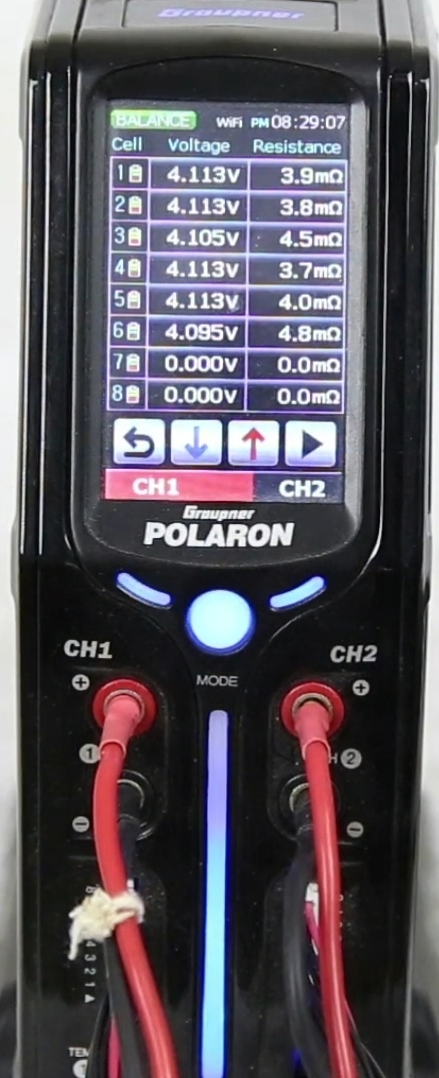
Internal resistance is the resistance inside a battery pack, either measured across the entire pack or per individual cell. Modern digital chargers can measure this value during the first minutes of a charge or discharge cycle, providing an overall picture of the battery’s condition. These readings are usually in milli-ohms and are useful for identifying the health and performance potential of the pack.
Why Internal Resistance Matters
Internal resistance acts like a “vital sign” for your battery. A low, consistent value generally indicates a healthy pack, while a rising or inconsistent value can signal aging cells or potential failure. Beyond health, IR helps assess how much current a pack can safely deliver. While C-ratings give a general idea of continuous discharge capability, IR provides a more precise insight into actual performance.
Limitations of Internal Resistance
Despite its usefulness, IR has notable limitations. The value changes depending on the battery’s temperature and whether it is being charged or discharged. For example, a warm pack may show lower IR than a room-temperature pack, giving the illusion of better performance. Measuring IR without controlling these variables can lead to misleading conclusions when comparing different packs.
How to Compare Battery Packs Accurately
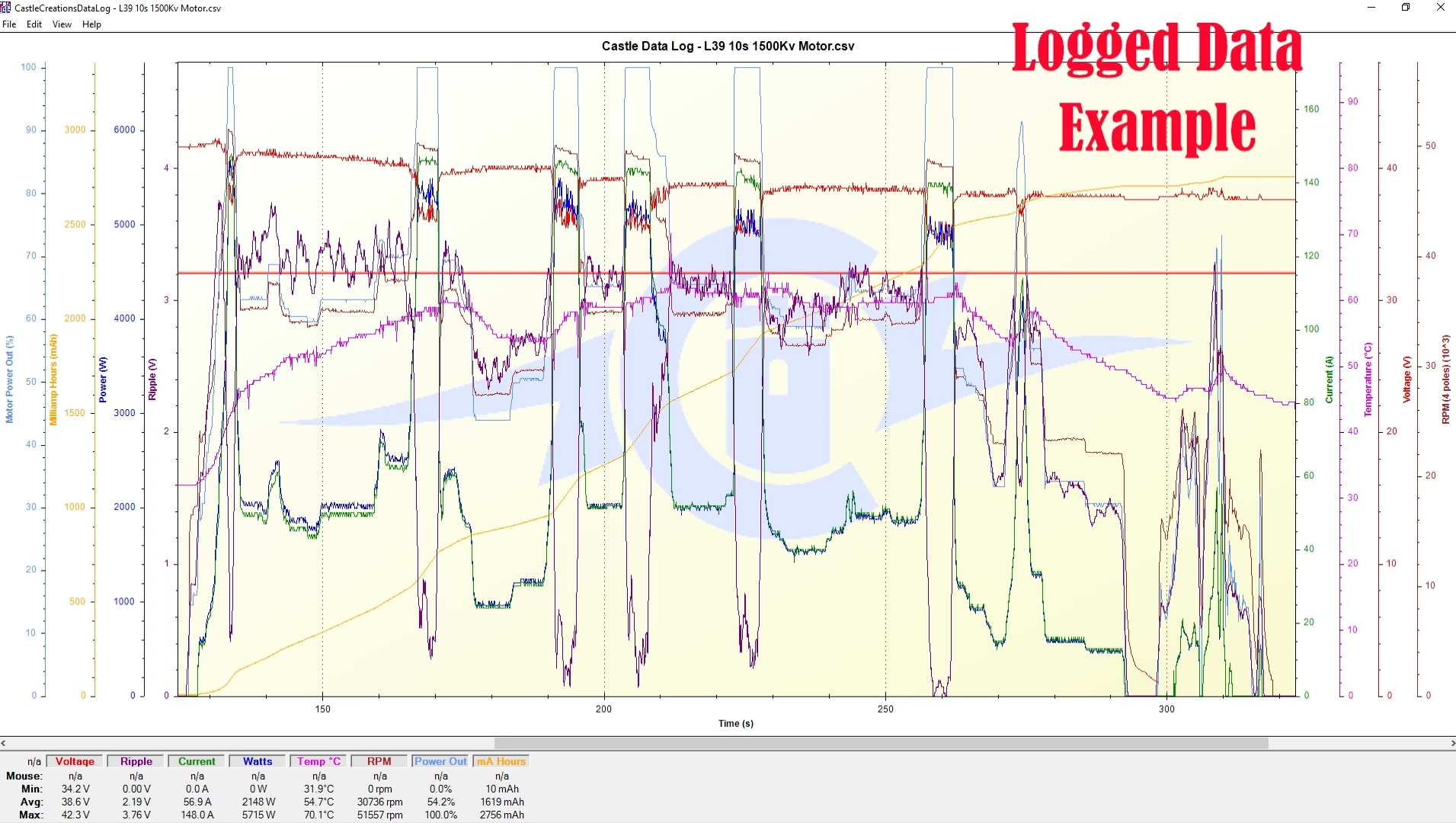
To make accurate comparisons, batteries should be tested under identical conditions. This means running the same setup at a controlled RPM or power level, then logging voltage and current throughout the test. By analyzing this data, hobbyists can determine which pack delivers the most power, even if its C-rating is lower than another pack. While more time-consuming than reading IR alone, this method gives a true picture of performance.
Practical Considerations
Testing IR alone is fast and convenient but should be treated as a preliminary check. For detailed performance analysis, combining internal resistance measurements with real-world testing is the most reliable approach. Factors such as load, temperature, and motor setup all influence how a battery performs in practice.
Final Thoughts
Internal resistance is a critical specification for evaluating RC LiPo batteries. It provides insight into battery health and potential performance, but it has limitations that must be considered. By using internal resistance as part of a broader testing strategy, hobbyists can make more informed decisions about battery selection and maximize the efficiency of their RC systems.