
Connecting a LiPo battery to an electronic speed control (ESC) can create a loud, alarming spark. This spark is not just startling—it can gradually damage connectors if it occurs repeatedly. In this post, I explain why sparks occur, how they harm your connectors, and I will talk to you about anti-spark connector solutions.
The Problem with Standard Connectors
Older setups, such as 5.5mm bullet connectors, are especially prone to sparking when connecting high-cell-count batteries like 6S or 8S packs. Repeated sparks leave burn marks on the connectors and degrade their lifespan. Simply plugging in a higher voltage battery with these connectors accelerates wear and reduces reliability.
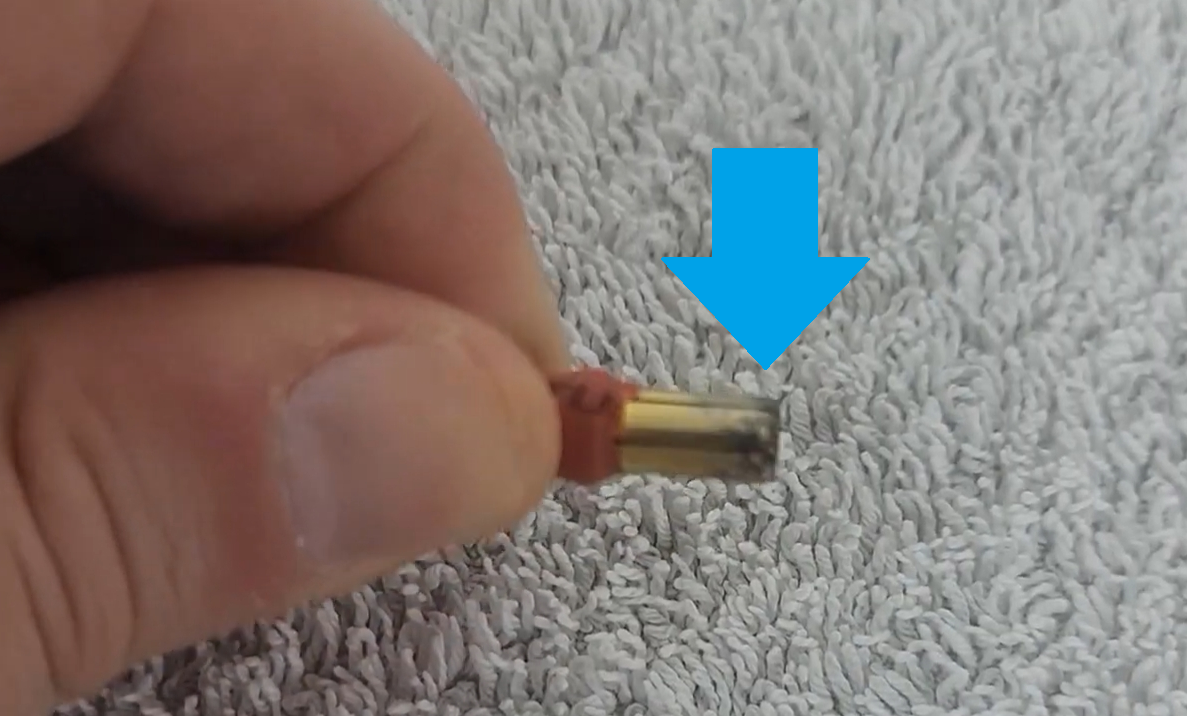
Anti-Spark Connector Solutions
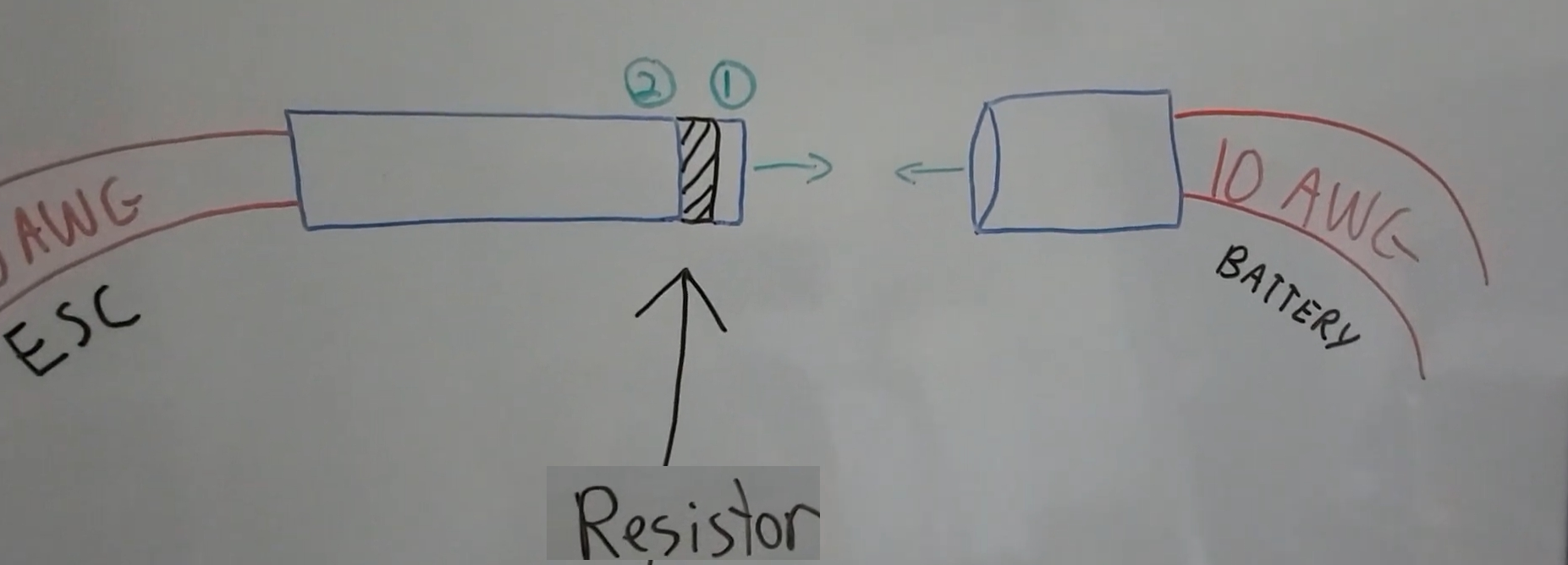
Anti-spark connectors are designed to eliminate the initial spark by controlling the flow of current as the battery makes contact. Key features include:
- First point of contact: A partial connection that starts current flow gradually. (Labeled 1 in the image below)
- Resistor section: A resistor reduces initial current, preventing the spark.
- Full contact: After the resistor section, the connector completes the full current flow safely and quickly. (labeled 2 in the image below)
When Anti-Spark Connectors Are Critical
- Cell count: 6S and higher setups are where sparks become a serious concern.
- Connector longevity: Anti-spark connectors preserve your components over repeated use.
- High-power vehicles: Prevent damage to ESCs and batteries during high-current draws.
By upgrading to anti-spark connectors, you eliminate loud sparks, protect your connectors, and ensure a more reliable and long-lasting setup.
Final Thoughts
For high-powered RC setups, swapping to anti-spark connectors is essentially inevitable. Implementing them early saves time, money, and wear on your components. Once installed, you can safely plug in your LiPo batteries without sparks, allowing your ESCs and connectors to last longer and perform more reliably. To learn more about how to do this, watch the video below.