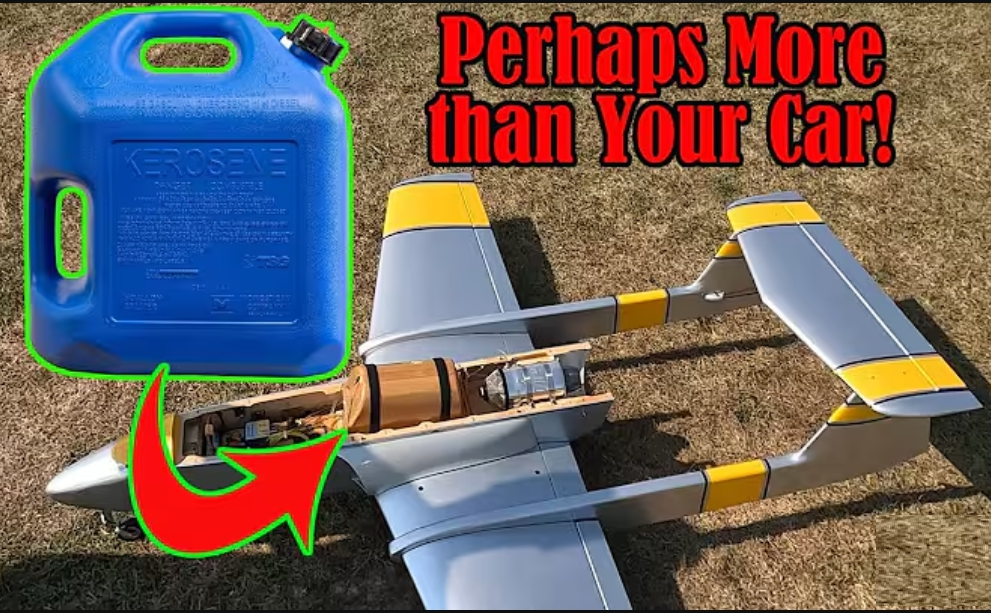
RC jet engines are powerful and exciting, but they also consume fuel at a rate that can surprise hobbyists. In this post, I break down the fuel usage of a typical RC turbine engine over a month’s worth of flying, as well as the cost per flight, so you can plan your fuel budget and flight sessions more effectively.
All calculations here are based on practical data collected from actual flights.
Understanding Jet Engine Fuel Specifications
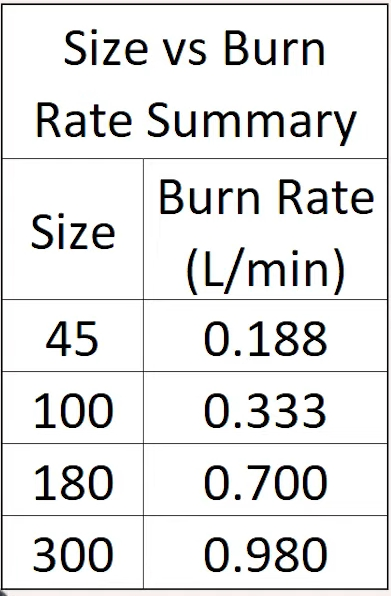
The engine used for this analysis is a 100 Newton turbine, rated to burn approximately 1 liter of fuel every 3 minutes at full throttle. The burn rate will change depending on the size of the turbine.
Fuel burn is typically specified for full throttle operation, and may be listed in liters, kilograms, or grams. These specs provide a good baseline, but real-world conditions vary depending on flight duration, throttle usage, and taxiing.
Real-World Fuel Consumption Over a Month
Counting 20 flights spanning a month, the 100 Newton turbine consumed approximately 45 liters of fuel, averaging just over 2 liters per flight.
It’s important to note that although the flights themselves were about 5 minutes each, the engine runs longer due to:
- Startup and run-up procedures before takeoff
- Taxiing to the runway and returning to the parking area after landing
- Any minor idle operation during preparation
Factoring in these additional steps, the engine’s total runtime per flight was closer to 8 to 10 minutes, even though only 5 minutes were spent airborne.
Cost of Fuel
Fuel pricing also affects the cost per flight. Here in Canada, I purchased kerosene from Canadian Tire at roughly $4 per liter, meaning 10 liters costs just under $40 including tax. (In Oct 2025, this is now $40+tax)
For 20 flights using 45 liters total, the approximate cost worked out to around $9 per flight. Understanding this cost helps hobbyists budget for longer sessions or multiple jets.
Practical Takeaways
- A 5-minute flight with a 100 Newton turbine burns just over 2 liters of fuel generating a fuel cost per flight of around $9 based on current Canadian kerosene prices.
- Larger turbines burn more, while smaller turbines burn less. Always consult your engine’s specs for estimated fuel usage.
Final Thoughts
Knowing the fuel burn rate of your RC jet engine helps plan flights, manage costs, and avoid running out mid-flight. (It’s also interesting just to know how much fuel these little engines go through!) Always account for startup, run-up, and taxiing, as they add to the total fuel consumption beyond airborne time. The most important tip is to always keep some extra fuel in reserve in case you need to make a few go-arounds. Running out of fuel because you didn’t stick the first landing will definitely make for a bad day.