
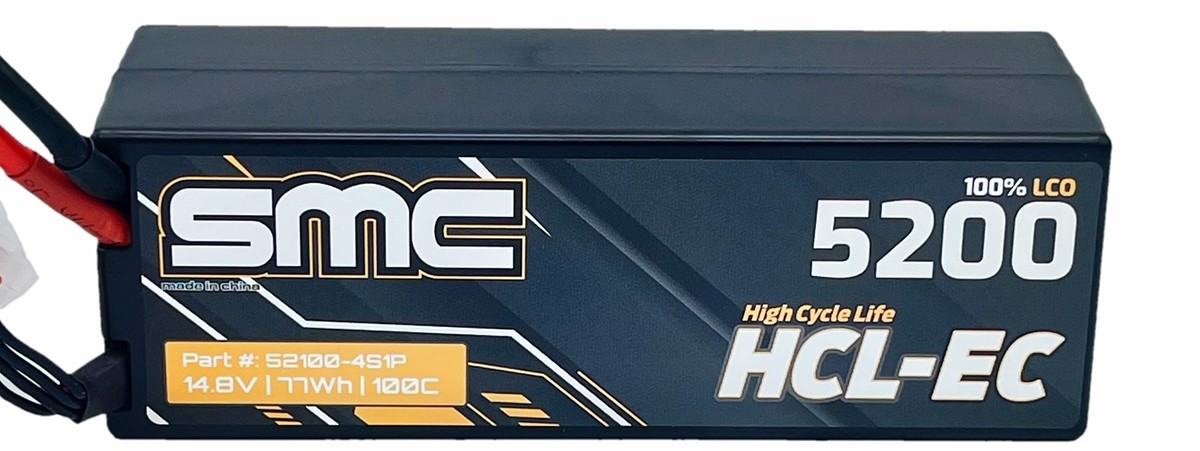
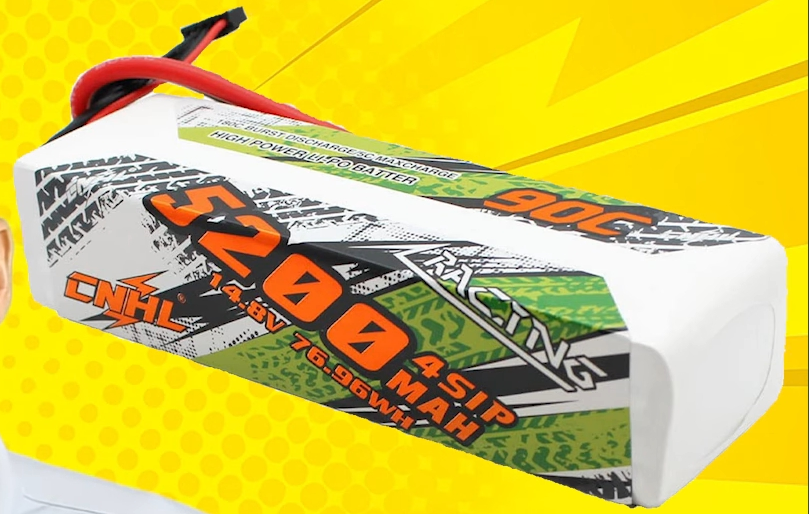
If you’ve ever wondered whether to use a soft case or a hard case LiPo battery for your RC car, you’re not alone. Both have clear advantages and drawbacks depending on how you drive and what kind of protection your setup needs. In this post, I’ll compare a soft case vs hard case LiPo battery, explain when each makes sense, and share practical examples from different RC vehicles.
What Is a Soft Case LiPo Battery?
A soft case LiPo battery is made up of individual cells wrapped in a thin foil-like pouch and covered with a heat-shrink layer. This design keeps weight low but offers little impact protection. A soft case is easy to inspect for swelling or physical damage, which helps identify when a pack is reaching the end of its life. A soft case is excellent for drones, airplanes and boats.
| Advantages | Disadvantages |
|---|---|
| Lighter and smaller for the same capacity | Vulnerable to punctures and crush damage |
| Easier to fit in tight spaces | Needs secure mounting to avoid impact stress |
| Often higher capacity or C rating per size | Less physical protection in crashes |
| Easy to inspect for swelling or damage | Not ideal for aggressive bashing or jumping |
What Is a Hard Case LiPo Battery?
A hard case LiPo battery encases the cells in a rigid plastic shell. This shell protects against punctures and physical impacts, making it the better choice for aggressive driving or higher-risk crashes.
| Advantages | Disadvantages |
|---|---|
| Excellent protection against impacts and punctures | Heavier and bulkier than soft packs |
| Ideal for aggressive driving (jumping) where you have a more exposed battery | Harder to detect internal swelling |
| More resistant to blunt force damage | Limited flexibility in size and shape options |
Mounting and Protection Tips
Regardless of the case type, proper mounting is key. Use tight Velcro straps or foam padding to prevent battery movement inside the tray. A soft case pack can be run safely even in high-performance vehicles if it’s well-secured. In setups with rigid plastic walls, make sure there’s enough clearance to prevent compression during impacts.
When to Use Each Type
If you run heavy bashers that see big jumps or crashes, a hard case LiPo battery is not absolutely necessary but may be worth the extra protection for you. If you run on-road cars, buggies, or vehicles with good internal protection, a soft case LiPo battery offers better performance per gram and is easier to maintain.
I personally prefer only soft case LiPo’s as I like to monitor temps, internal condition directly.
Key Takeaways
| Feature | Soft Case LiPo | Hard Case LiPo |
|---|---|---|
| Weight | Lighter | Heavier |
| Protection | Minimal | Better |
| Size Options | More flexible | Standardized |
| Inspection | Easy to check | Harder to see damage |
| Ideal Use | On-road / light off-road | Bashing / speed runs |
Final Thoughts
Choosing between a soft case and hard case LiPo battery ultimately comes down to personal choice. The reason for this is that both hard case and soft case can work. For aggressive bashers and cars you will jump, a hard case offers peace of mind. For most drivers who value performance and easy inspection, a soft case will be the more obvious choice — as long as it’s mounted securely and monitored for damage. But you should be doing this with hard case LiPo’s too.
Want to analyze your own setup beyond what’s covered in this post? Join RCexplained Insights Access for advanced data log analysis tools for Castle Creations ESCs, the monthly RC Calculator spreadsheet, searchable public data logs, and member resources built to help you tune, compare and improve performance. View membership plans here.