
When it comes to RC electronics, few things are more frustrating than an unexpected ESC failure. Electronic speed controllers (ESCs) are the heart of any RC system, converting battery power into smooth motor control. But what if the main reason for ESC failure is something most people overlook — the capacitors?
In this article, I’ll break down why capacitors are the most important component on your ESC, how to check their condition, and what you can do to prevent premature ESC failure. You’ll want to stick around for this one!
Why Capacitors Are the Heart of Your ESC
Capacitors are responsible for stabilizing voltage and filtering out fluctuations between your battery pack and brushless motor. As your ESC switches power at high frequencies, the voltage can spike dramatically. The capacitors’ job is to smooth those spikes, protecting delicate components like MOSFETs.
Note that capacitors are not there to give you a boost in power or to supplement your battery in terms of RC performance!
Without capacitors, MOSFETs would overheat and burn out quickly — leading to total ESC failure. Think of capacitors as shock absorbers for your ESC’s electrical system, keeping everything running smoothly and reliably.
How to Check the Health of ESC Capacitors
There are two main ways to check whether your capacitors are in good condition:
- Visual inspection: Look for any discoloration, bulging, or burn marks. A capacitor showing signs of heat damage or leaking should be replaced immediately.
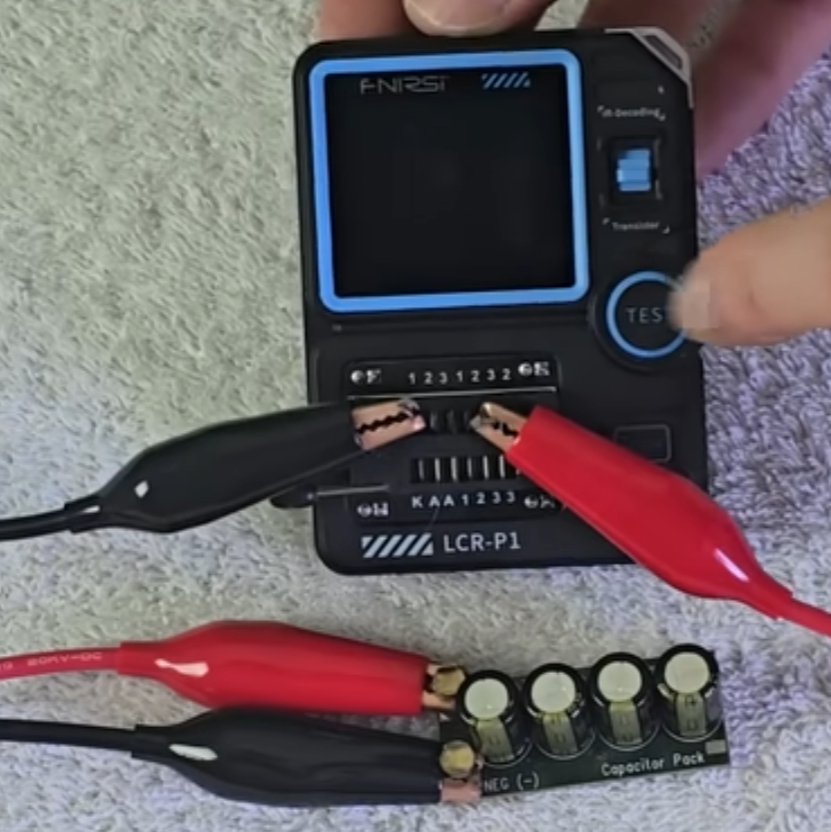
- Testing capacitance: Using a capacitance meter, you can measure whether your capacitors still meet their rated microfarad (µF) value. If it has dropped significantly, that’s a clear warning sign of impending ESC failure.
Capacitors in RC systems are usually connected in parallel. This increases total capacitance while lowering resistance — much like connecting batteries in parallel increases overall capacity.
Understanding Manufacturer Added Capacitors
If you’ve ever noticed additional capacitors installed by the ESC manufacturer, that’s intentional. Manufacturers often add capacitor banks to handle the high current draw found in demanding RC applications like EDF jets, RC boats, and top-speed cars.
This isn’t a flaw — it’s a safeguard. These extra capacitors help reduce ripple voltage and prevent ESC failure under extreme load. In essence, it’s better to have them there than not at all.
How You Can Prevent ESC Failure
You can also take steps to increase the reliability of your ESC and avoid capacitor-related issues:
- Add an external capacitor bank: Just like manufacturers do, you can install one yourself to reduce ripple voltage and ease stress on your ESC.
- Avoid extending ESC leads: Longer battery wires increase ripple voltage, which wears out capacitors faster.
- Use high-quality batteries: Low-quality or underperforming packs cause voltage sag, forcing capacitors to work harder.
- Reduce load where possible: Using a smaller prop or pinion gear lowers the overall demand on your ESC, decreasing heat and voltage ripple.
Testing a Capacitor Bank Example
To illustrate, I tested a Castle Creations capacitor bank rated at 220 microfarads per capacitor, with four connected in parallel for a total of 880 µF. Using a test unit, the measured capacitance was 877 µF — right on target.
This shows the capacitors were healthy and ready for use. If the reading had been much lower, it would’ve indicated wear, which could eventually lead to ESC failure if left unchecked.
Simple Steps for Long-Term ESC Health
Even if you’re not pushing extreme current, small changes can make a big difference. Avoid overheating your ESC, keep connections short and clean, and ensure your cooling setup is efficient.
These small steps reduce ripple voltage, extend capacitor life, and dramatically lower your chances of ESC failure — meaning fewer repairs and more time enjoying your RC.
Final Thoughts
Capacitors might not be the flashiest component on your ESC, but they’re arguably the most important. By inspecting, maintaining, and upgrading them where necessary, you can protect your ESC from premature failure and keep your RC system running at peak efficiency.
Want to analyze your own setup beyond what’s covered in this post? Join RCexplained Insights Access for advanced data log analysis tools for Castle Creations ESCs, the monthly RC Calculator spreadsheet, searchable public data logs, and member resources built to help you tune, compare and improve performance. View membership plans here.